Our Location
No. 66, Tongda Road, Economic Development Zone, Tengzhou City, Shandong Province, China

No. 66, Tongda Road, Economic Development Zone, Tengzhou City, Shandong Province, China
Automotive hydraulic press systems play a critical role in modern automotive production, supporting deep drawing, metal stamping, brake pad molding, EV battery assembly, and lightweight composite forming. With the rise of electric vehicles and advanced high-strength materials, precision hydraulic forming technologies have become essential for achieving high efficiency, dimensional accuracy, and consistent quality.
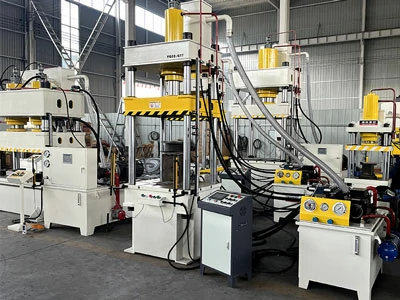
The automotive industry is one of the largest users of hydraulic press technology worldwide. From conventional vehicle body panels to EV battery systems, hydraulic presses enable efficient production of high-strength, lightweight, and safety-critical components.
Modern automotive manufacturing increasingly relies on advanced high-strength steel (AHSS), aluminum alloys, and composite materials to reduce vehicle weight and improve fuel efficiency.
According to the SAE International, lightweight material adoption continues to reshape automotive engineering and manufacturing processes.
Automotive suppliers are also expected to comply with IATF 16949 quality standards, emphasizing process consistency, traceability, and continuous improvement throughout production.
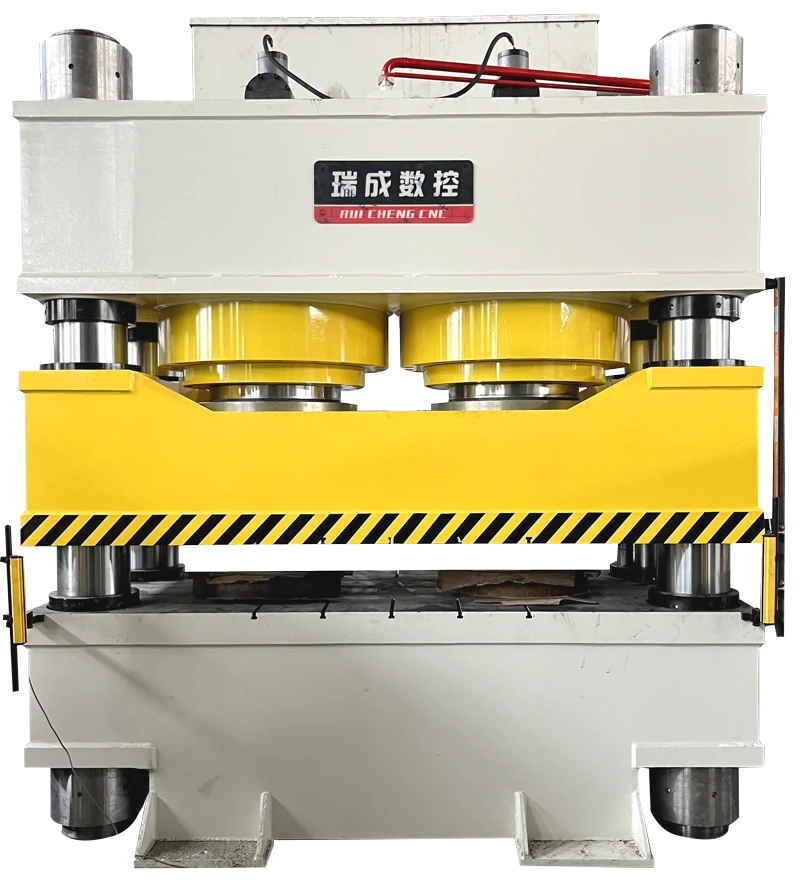
Automotive manufacturing requires precise control over forming force, speed, temperature, and repeatability. Hydraulic presses provide the flexibility needed for processing high-strength steel, aluminum alloys, composites, and EV battery components.
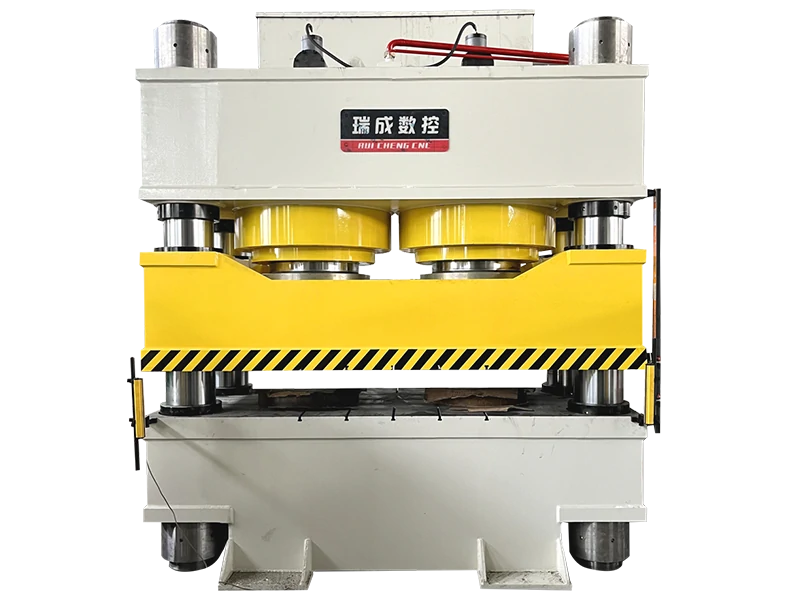
Hydraulic presses are widely used for manufacturing vehicle body panels and structural components that require excellent dimensional accuracy and surface quality.
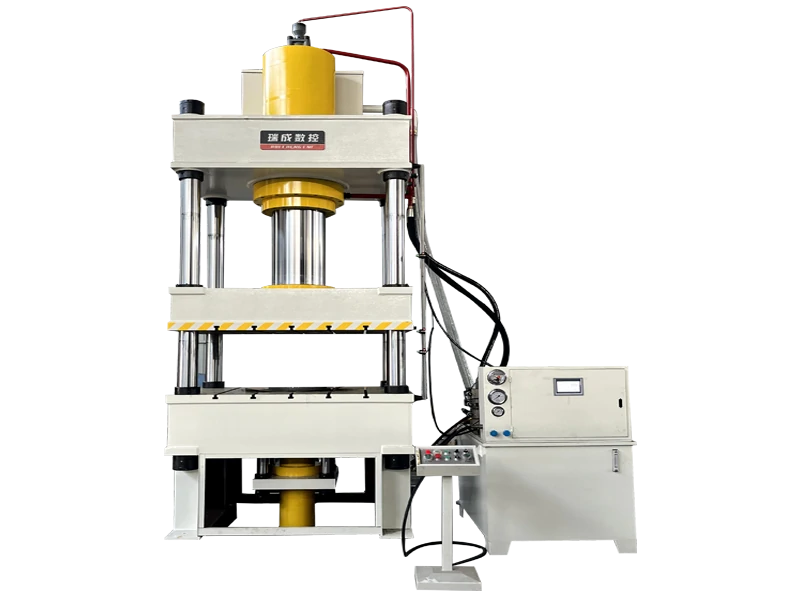
Brake pad production requires stable temperature control and precise molding pressure to ensure consistent friction performance and product quality.
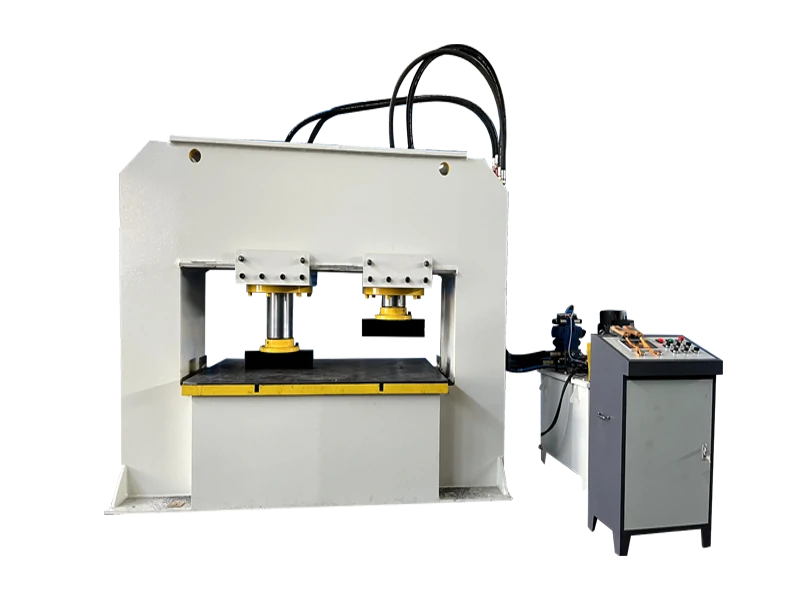
Electric vehicle battery manufacturing demands precise pressure distribution and accurate displacement control to ensure battery performance and safety.
The U.S. Department of Energy highlights the importance of advanced battery manufacturing technologies for improving EV performance and reliability.
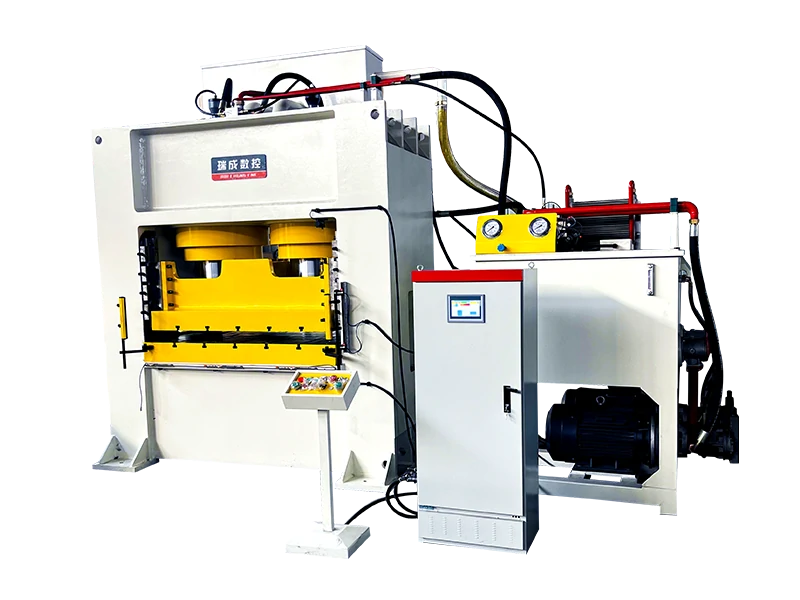
Lightweight composite materials are increasingly used in automotive applications to reduce vehicle weight and improve fuel efficiency.
According to the Aluminum Association, lightweight materials continue to play a crucial role in vehicle efficiency improvements.
Automotive production environments require hydraulic press systems that deliver precision, energy efficiency, traceability, and long-term reliability.
Servo-driven hydraulic systems adjust motor speed according to process requirements, reducing energy consumption by 30%–60% compared with conventional hydraulic systems.
Heavy-duty frame structures minimize deflection under load, ensuring consistent parallelism and extending die life.
Modern PLC systems continuously record pressure, displacement, temperature, and cycle data to support automotive quality management systems.
Hydraulic presses can be integrated with robotic loading systems, conveyors, and automated production lines to improve productivity.
Selecting the right press ensures production efficiency, product quality, and safety.
For a comprehensive guide, visit Hydraulics & Pneumatics, a trusted source for hydraulic equipment selection and maintenance tips.
A: Yes. Modern hydraulic presses with high rigidity and servo control can form AHSS and aluminum alloys with minimal springback.
A: Calculate based on material type, thickness, and part geometry. Manufacturers often provide press tonnage calculators.
A: Servo-driven systems adjust power according to load, saving 30–60% energy compared to traditional hydraulic presses.
A: Yes. We provide tailored hydraulic press design according to drawings, production volume, and specific process requirements.
Contact our engineering team to discuss your automotive manufacturing needs. We provide technical support and tailored solutions for deep drawing, stamping, composite forming, and battery module assembly.
Get Quote on WhatsAppOr email us directly at ruichengshukong@gmail.com